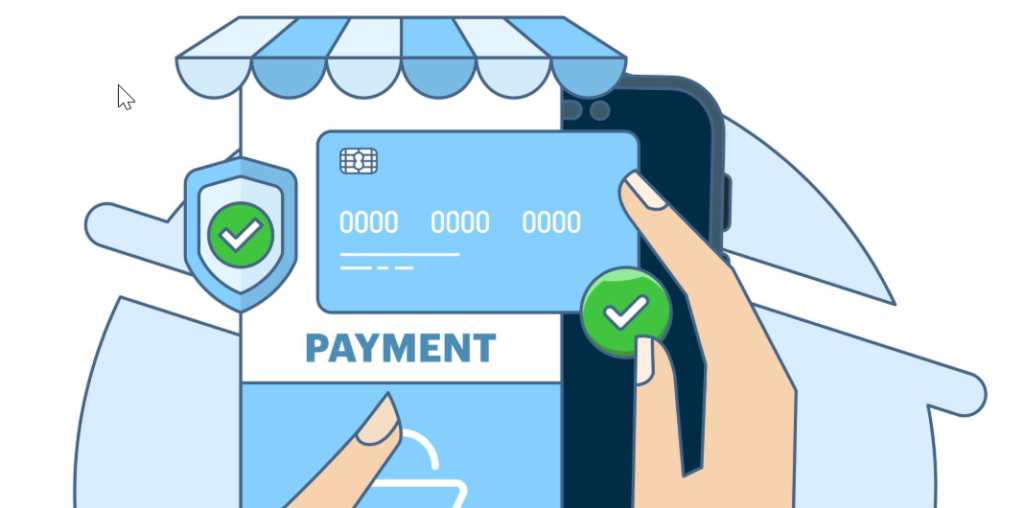
I still remember when buying something online felt like a small leap of faith. You added items to your cart, reached checkout, and then paused. Entering card details felt risky. Payment confirmations were slow. Sometimes transactions failed without explanation.
Today that hesitation is almost gone.
Digital payment systems have reshaped not only how we pay but how we think while paying. From digital wallets to instant transfers, the checkout experience has become one of the most influential parts of ecommerce behavior.
Checkout Experience Has Become a Deciding Factor
In the past product and price were the main drivers of online sales. Now the checkout process can determine whether a sale happens at all.
Studies consistently show global cart abandonment rates often sit above 60 percent. A major reason is friction during checkout. Long forms unexpected fees and complicated payment steps push people away.
When payment systems allow one tap confirmation or biometric authentication, conversion rates improve. Speed reduces doubt. Convenience reduces hesitation.
From what I have observed even small improvements in payment flow can significantly change user behavior.
Faster Payments Encourage Impulse Decisions
One of the most noticeable changes is how seamless payments affect impulse buying.
When checkout requires multiple steps, consumers naturally pause and reconsider. When payment is completed in seconds through a digital wallet that pause disappears.
The psychological barrier to spending becomes lower. The decision feels lighter. The transaction feels almost invisible.
This does not mean consumers become reckless. It means convenience reduces friction, and reduced friction increases action.
Mobile First Transactions Are Now Standard
Ecommerce is now heavily mobile driven. A large portion of global online purchases happen through smartphones.
Digital payment systems are designed around this behavior. QR codes app based wallets and biometric authentication make mobile transactions natural.
In many regions digital wallets have even replaced credit cards as the primary payment method. This shift has expanded access to ecommerce for people who previously lacked traditional banking tools.
The device changed. The payment system adapted. Consumer behavior followed.
Trust Is Embedded in the Payment Layer
Trust used to rely mainly on brand recognition. Now trust is partially embedded in payment infrastructure.
When users see secure authentication prompts familiar wallet logos or trusted payment gateways they feel safer. Even if they do not fully understand encryption or tokenization the visual signals matter.
I have seen smaller ecommerce platforms build credibility simply by integrating recognized payment systems. The payment option itself becomes a trust signal.
Data Is Reshaping Consumer Interaction
Digital payments generate valuable data. This data allows businesses to personalize offers predict repeat purchases and analyze spending behavior.
Subscription billing patterns buy now pay later activity and wallet transaction frequency all contribute to consumer profiling.
From a business perspective this improves targeting and efficiency. From a consumer perspective it can feel convenient when done transparently.
Payment is no longer just the final step. It is a source of behavioral insight.
Alternative Payment Models Are Changing Spending Psychology
Buy now pay later services have introduced a new layer of spending behavior. Breaking payments into smaller installments reduces the immediate psychological impact of a purchase.
This model often increases average order value. Consumers feel more comfortable committing to higher priced items when the payment is distributed over time.
Cryptocurrency payments and other digital asset systems also represent an evolving part of ecommerce. While still not dominant they signal how transactional systems continue to experiment and expand.
Speed Has Redefined Expectations
Perhaps the most powerful shift is expectation.
Once consumers experience instant confirmations and fast refunds slower systems feel outdated. What was once considered efficient now feels inconvenient.
Digital payment systems have raised the baseline standard for ecommerce. Businesses that fail to offer seamless payment options risk losing customers even if their products remain competitive.
Conclusion Invisible Technology Powerful Influence
Digital payment systems operate quietly in the background yet they strongly influence how people behave online.
They reduce friction increase trust enable impulse decisions expand access and generate data driven personalization. The checkout process is no longer a technical necessity. It is a behavioral driver.
From what I have seen the future of ecommerce will continue to depend on invisible infrastructure. The smoother the payment experience the more natural digital commerce becomes.
Technology changed the transaction. The transaction changed the behavior.